
Learning from One Another in a Multi-Level Practical Setting
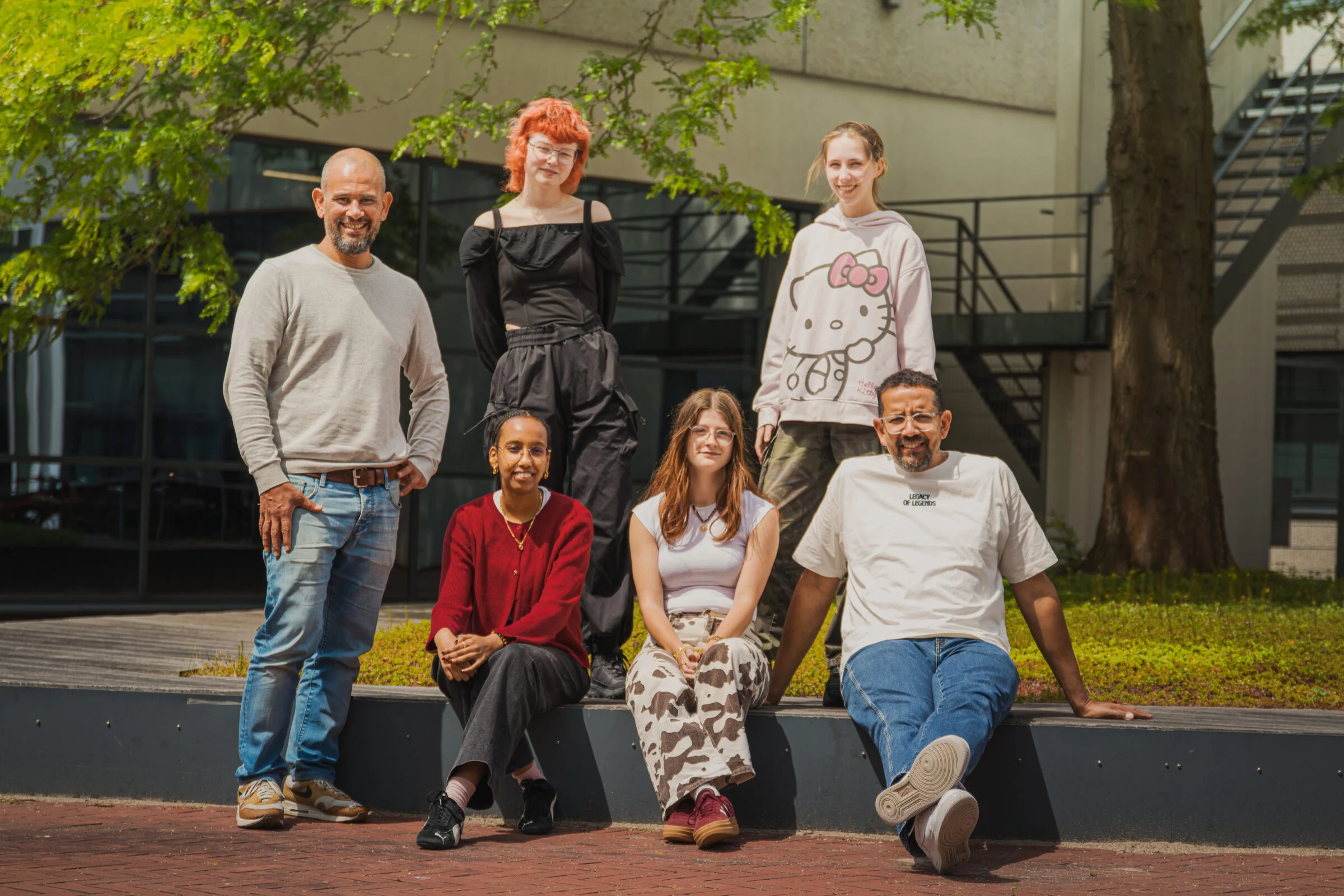
Within the MICA Lab for Transition Communication, students in the minor Media Concepts & Sustainability at NHL Stenden collaborate with Media Design students from Firda. Focusing on real-world issues, they explore how communication contributes to social change and what happens when different perspectives come together. This semester, two issues are the focus.
For Eurosonic Noorderslag (ESNS), students are exploring how to help young music professionals gain more confidence in actively participating in networks and events. They are also working on a project for the Groningen-based Martinus brewery. The challenge: raising awareness of a local, circular production process among a broader audience.
Working Together on Ideas
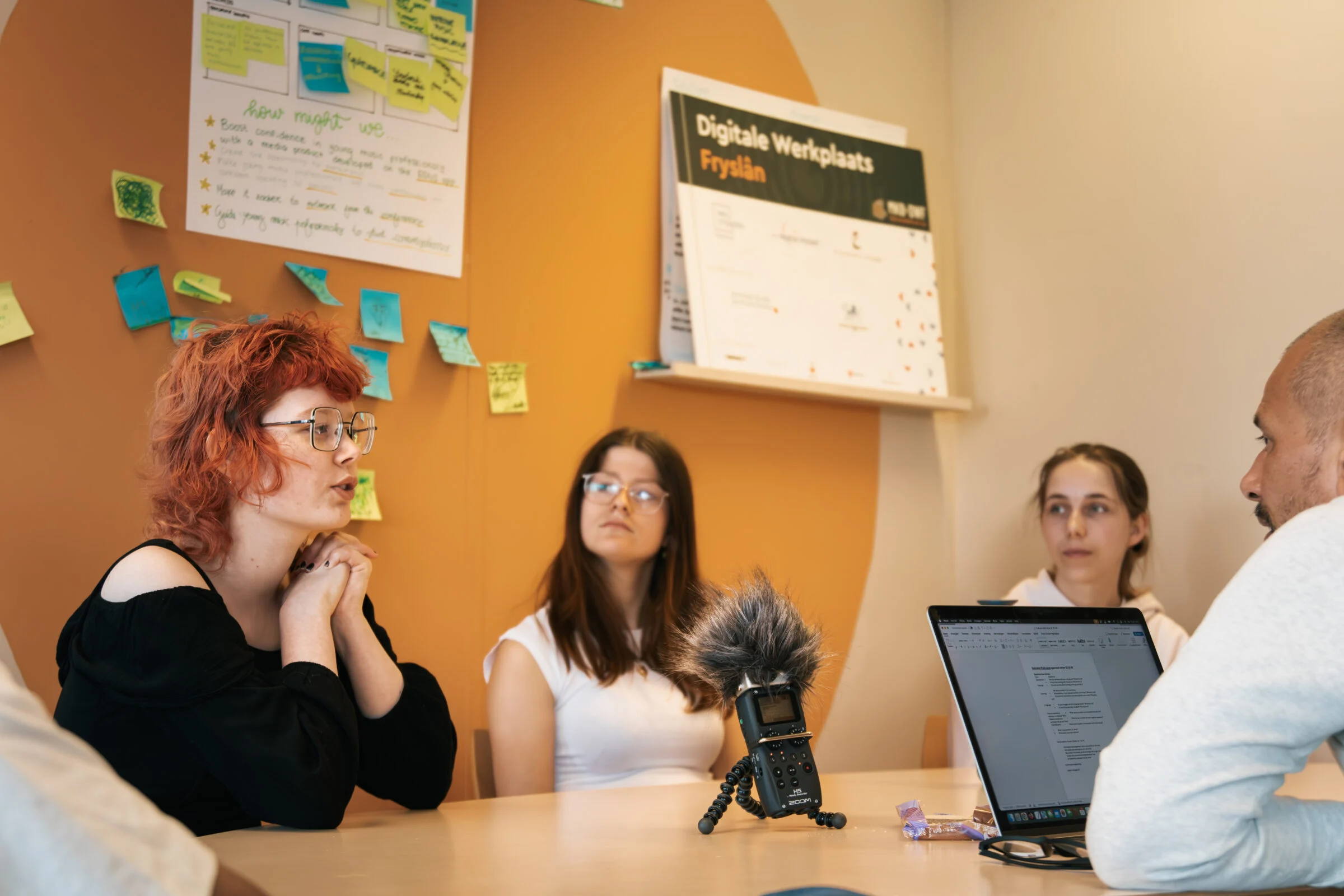
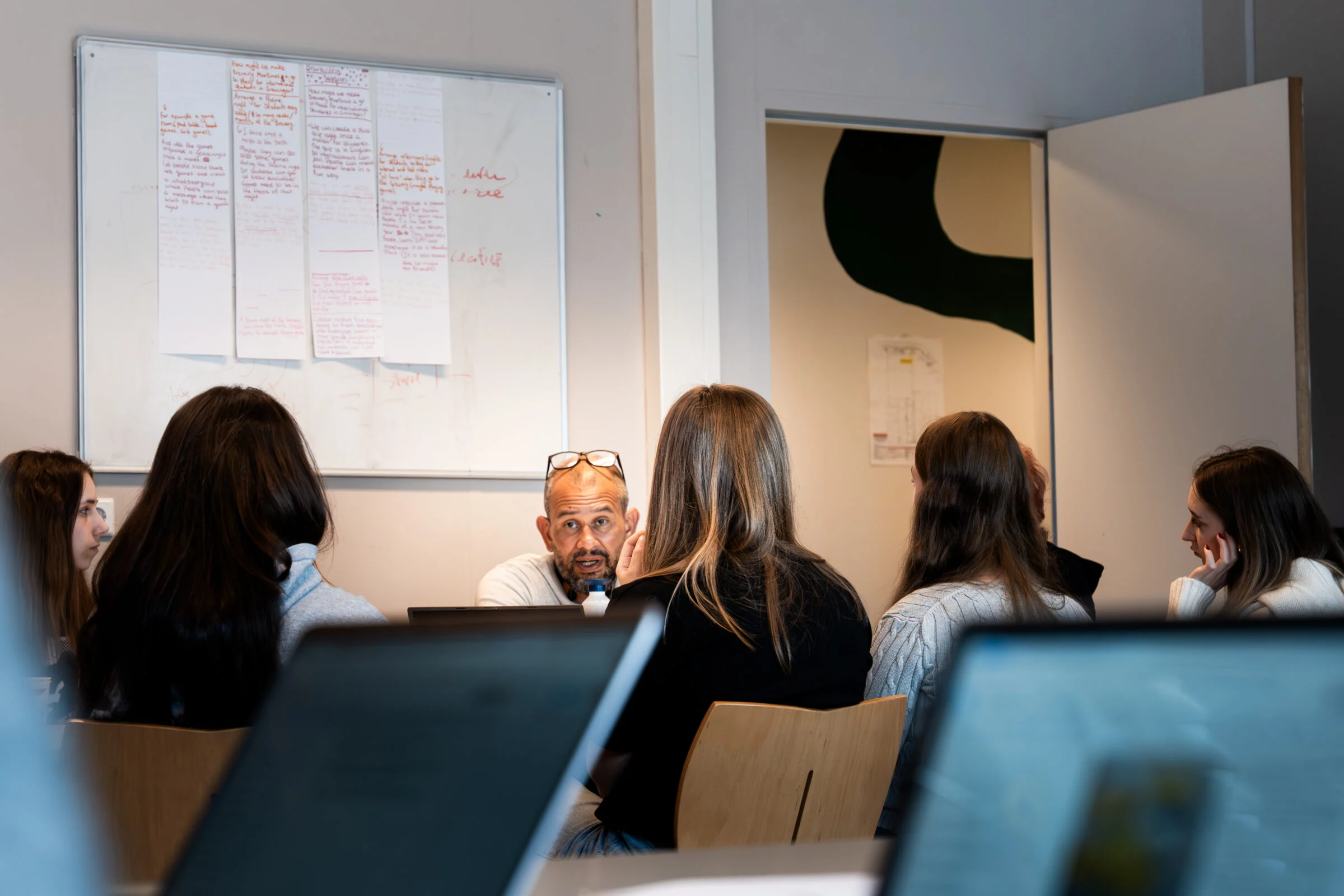
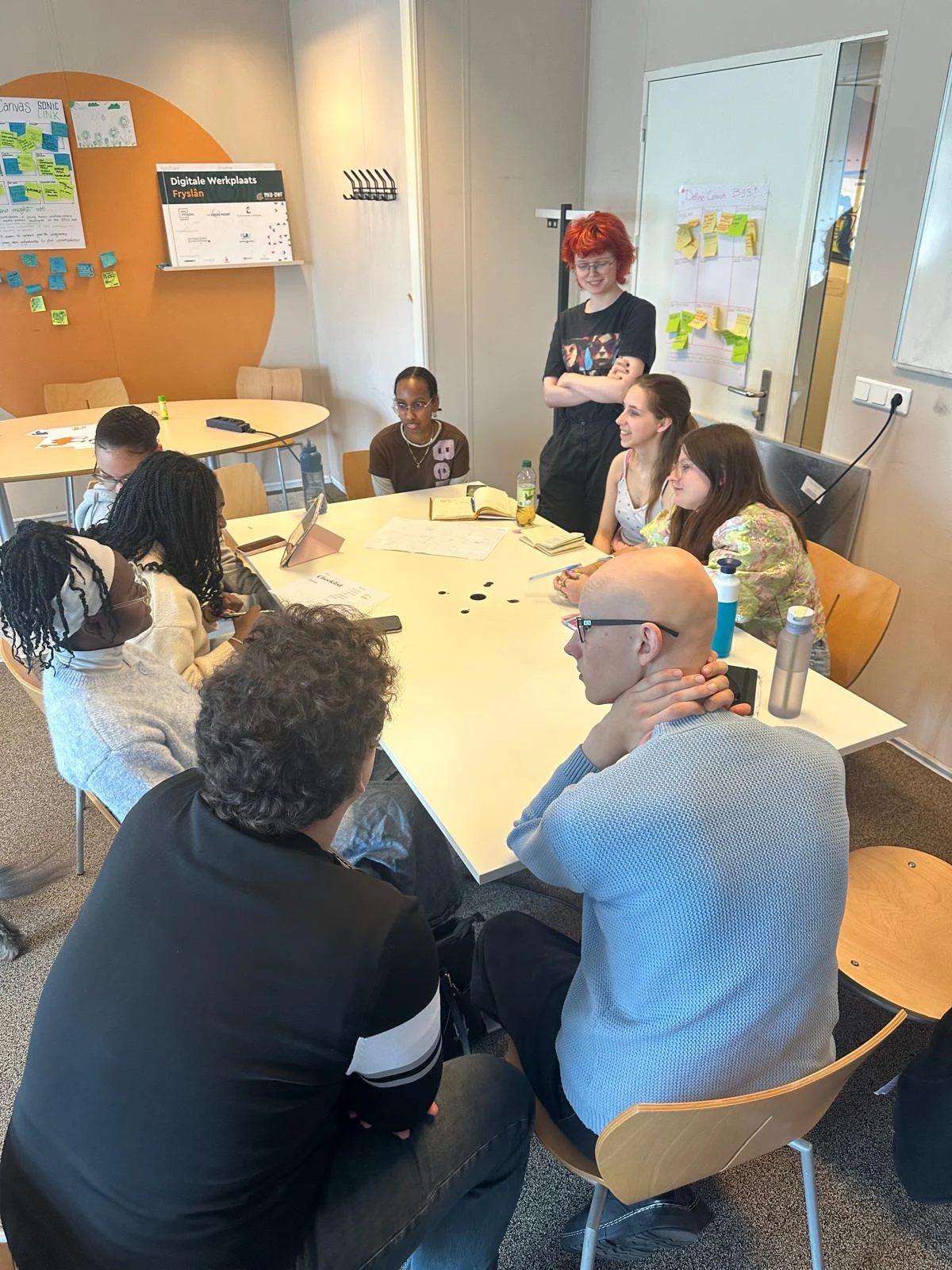
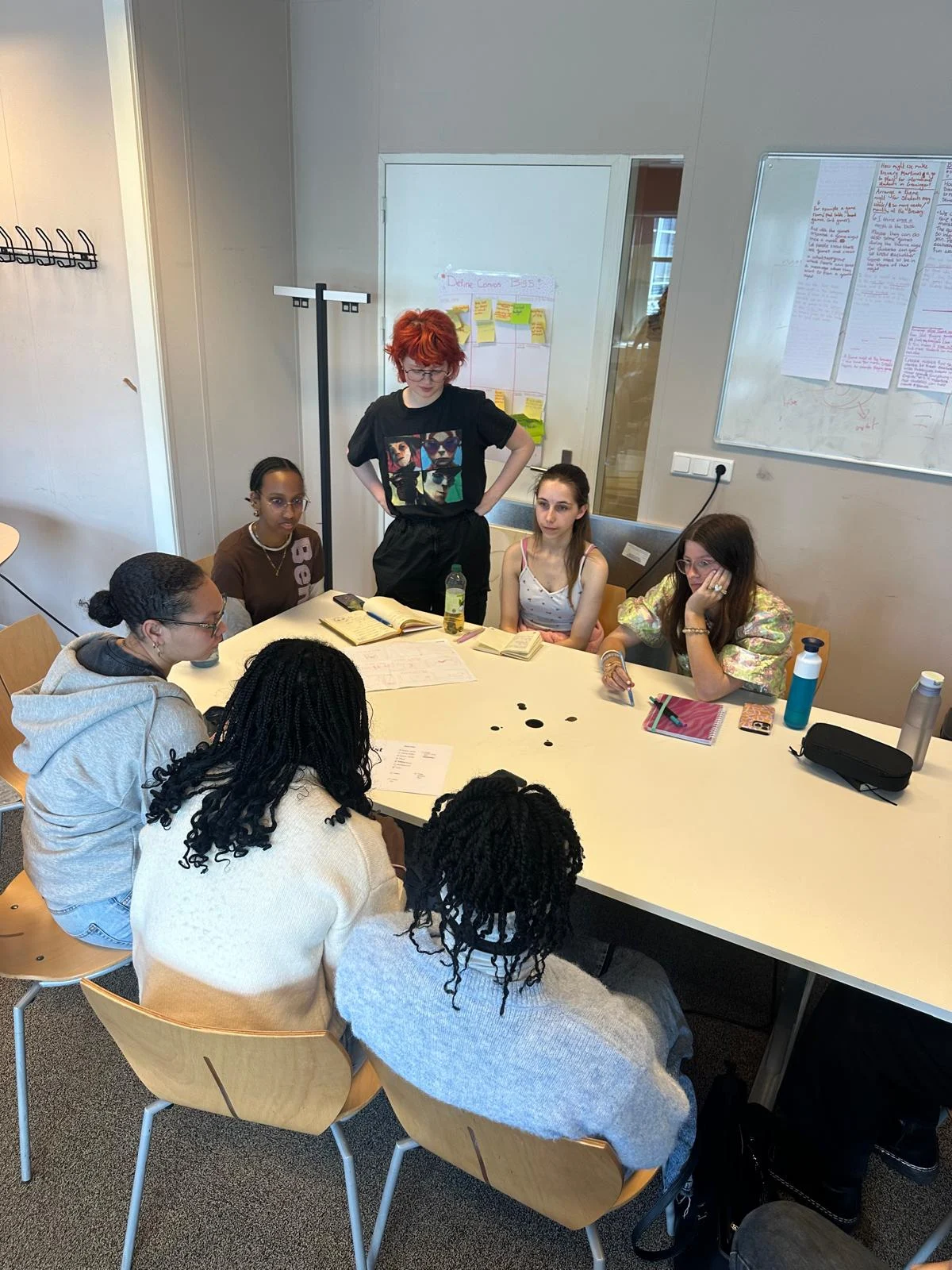
From the start, a group of four vocational high school (MBO) students has been participating in the minor. They take part in the same workshops, research projects, presentations, and feedback sessions as the higher professional education (HBO) students. Various roles emerge during the process. Communication students delve into research, where behavior and strategy take center stage. Media Design students contribute their knowledge of visuals, design, user experience, and production. During the production phase, students increasingly seek each other out for feedback. Storyboards are reviewed. Prototypes take on a new direction. Ideas become more refined. The value lies not in a fixed division of roles, but in the exchange that takes place.


Differences as a Starting Point
Every student brings something different to the table. Interests, experience, talents, and ways of working vary from person to person. Sometimes this has to do with a student’s academic background, but often it’s simply a matter of personality. Working together reveals just how much knowledge is already present within a group of students.
In their evaluations, vocational high school students report that their self-confidence grows as they see their feedback reflected in designs and prototypes. College students experience firsthand how valuable practical knowledge is when developing ideas.
Questions such as: Does this work visually? Will a user understand this? Where do you place a call-to-action?” come up more quickly and receive more attention. The international context of the minor adds an extra layer to this. Different backgrounds, languages, and perspectives regularly spark new conversations and surprising perspectives.
What We Learn
For the MICA Lab for Transition Communication, this collaboration is a research project in its own right. The concepts and media products showcase what students create. The collaboration demonstrates what students learn. Behavioral science models help students substantiate their choices. Insights into motivation, environment, and behavior form the basis for communication concepts that encourage action. In addition, we are gaining an ever-deeper understanding of the conditions necessary for effective multi-level collaboration.
Group dynamics play an important role, as do ownership, trust, and a shared starting point. When students meet each other early in the process, there is more room for shared responsibility and co-creation. These are insights we’ll carry forward into future projects.
The Next Step
This edition is part of a larger experiment within the MICA Lab for Transition Communication. Together with students, faculty, and industry partners, we continue to build—each semester—a learning environment in which vocational education (MBO) and higher professional education (HBO) reinforce one another through real-world challenges.
As project coordinator Jeroen Westhof puts it:
“Each edition provides new insights. Based on feedback from students and coaches, we continue to refine the program’s design. Ultimately, we are working toward a MICA Transition Communication Lab where vocational and higher vocational education students collaborate naturally and every student feels challenged and valued.”
The evaluation is still underway. We’ll incorporate the initial findings into the next edition.
Partners
MICA Lab for Transition Communication • Firda • NHL Stenden • Eurosonic Noorderslag • Martinus Brewery
