
WRK.FRL x MICA
Students from NHL Stenden’s Communication and Firda Media Design programs, along with the WRK.frl employment platform, are collaborating on this question. This project is being carried out within the MICA Lab for Transition Communication. WRK.frl is the Frisian employment platform that connects talent, education, and employers. Students are working on issues related to topics such as finding a first job in Friesland, completing internships in the region, and increasing the visibility of opportunities for young talent. In doing so, they are contributing to a broader challenge: how do we retain and strengthen talent in the Northern Netherlands?
Creative campaigns addressing a social issue
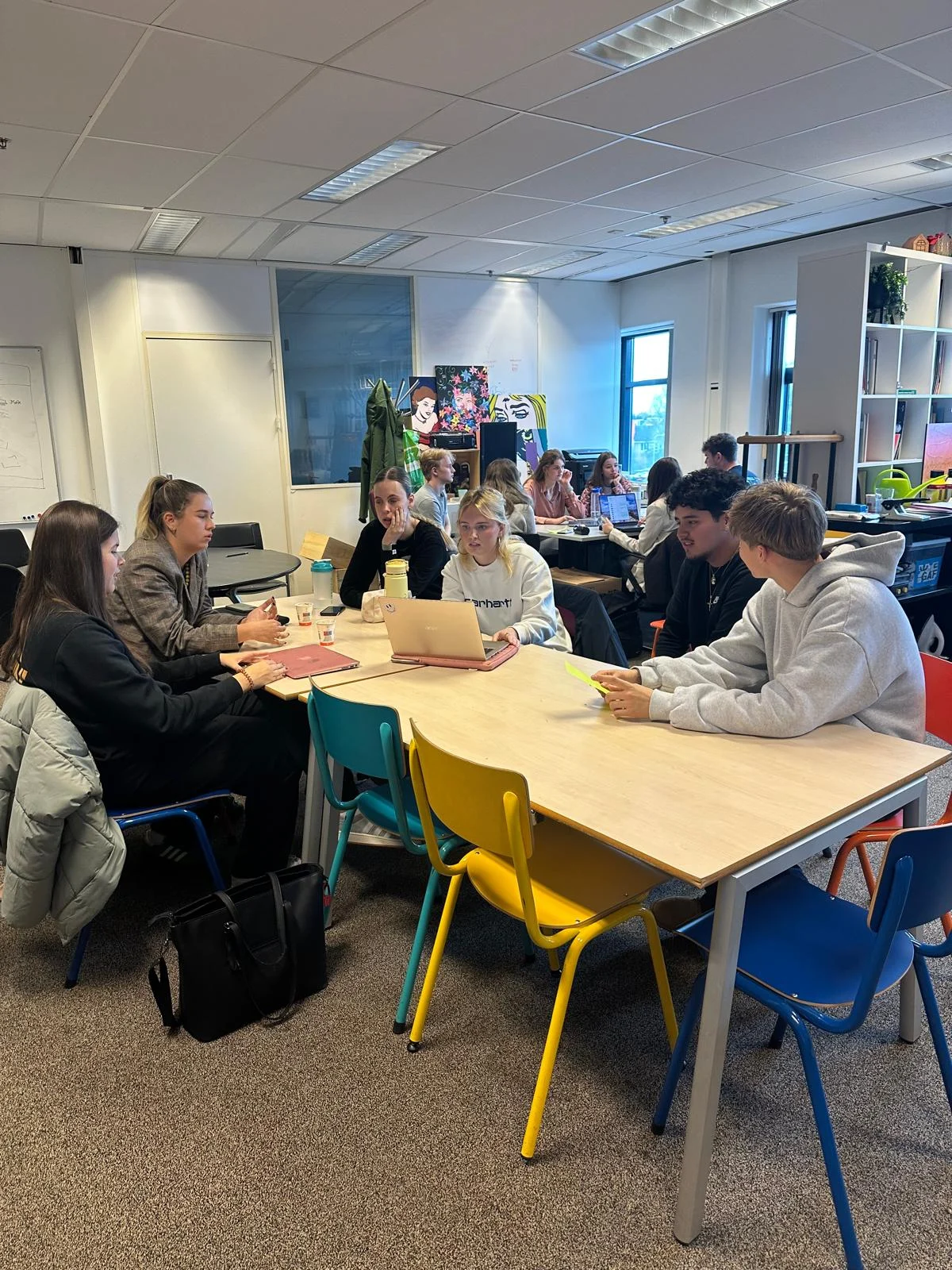
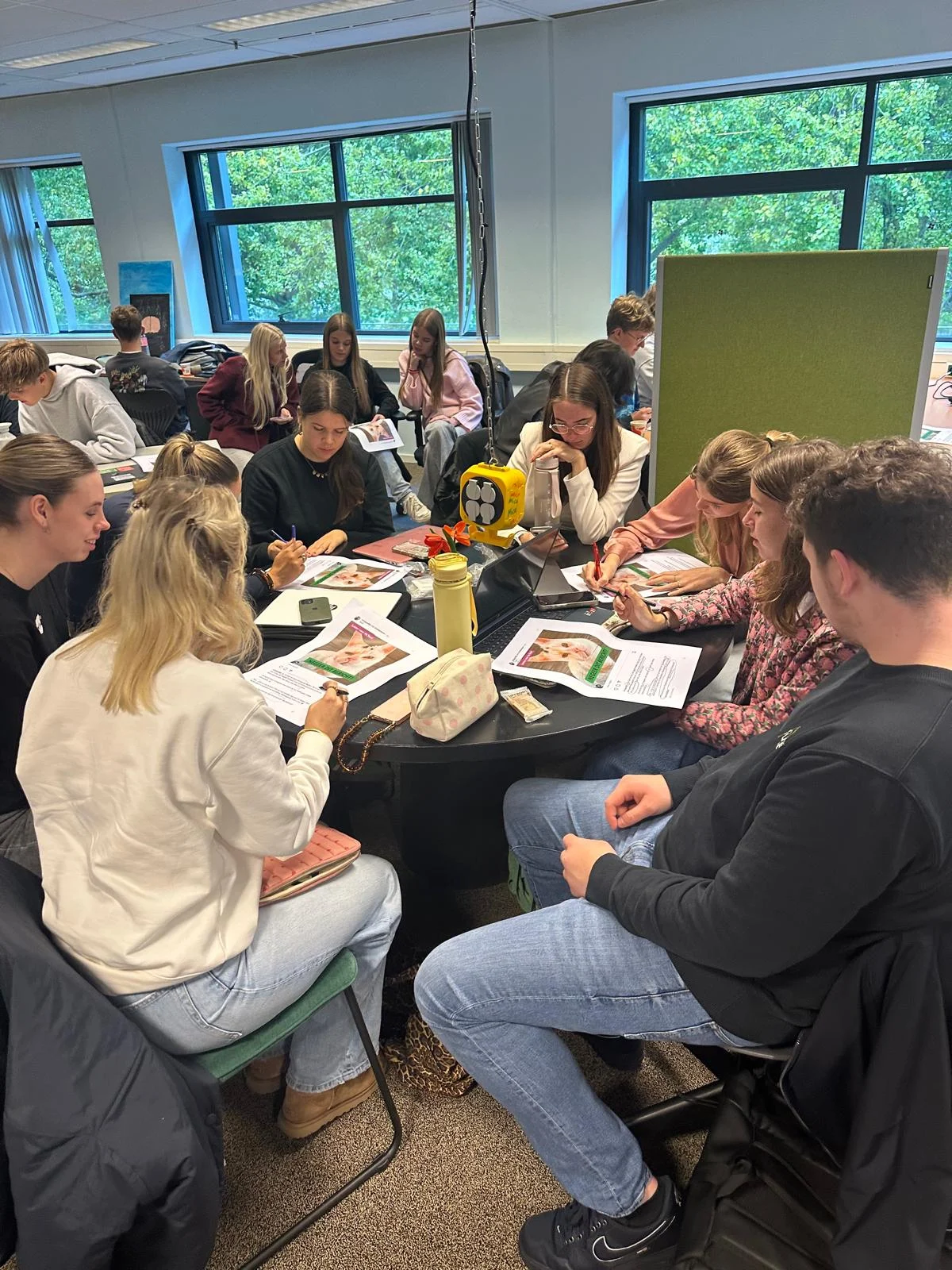
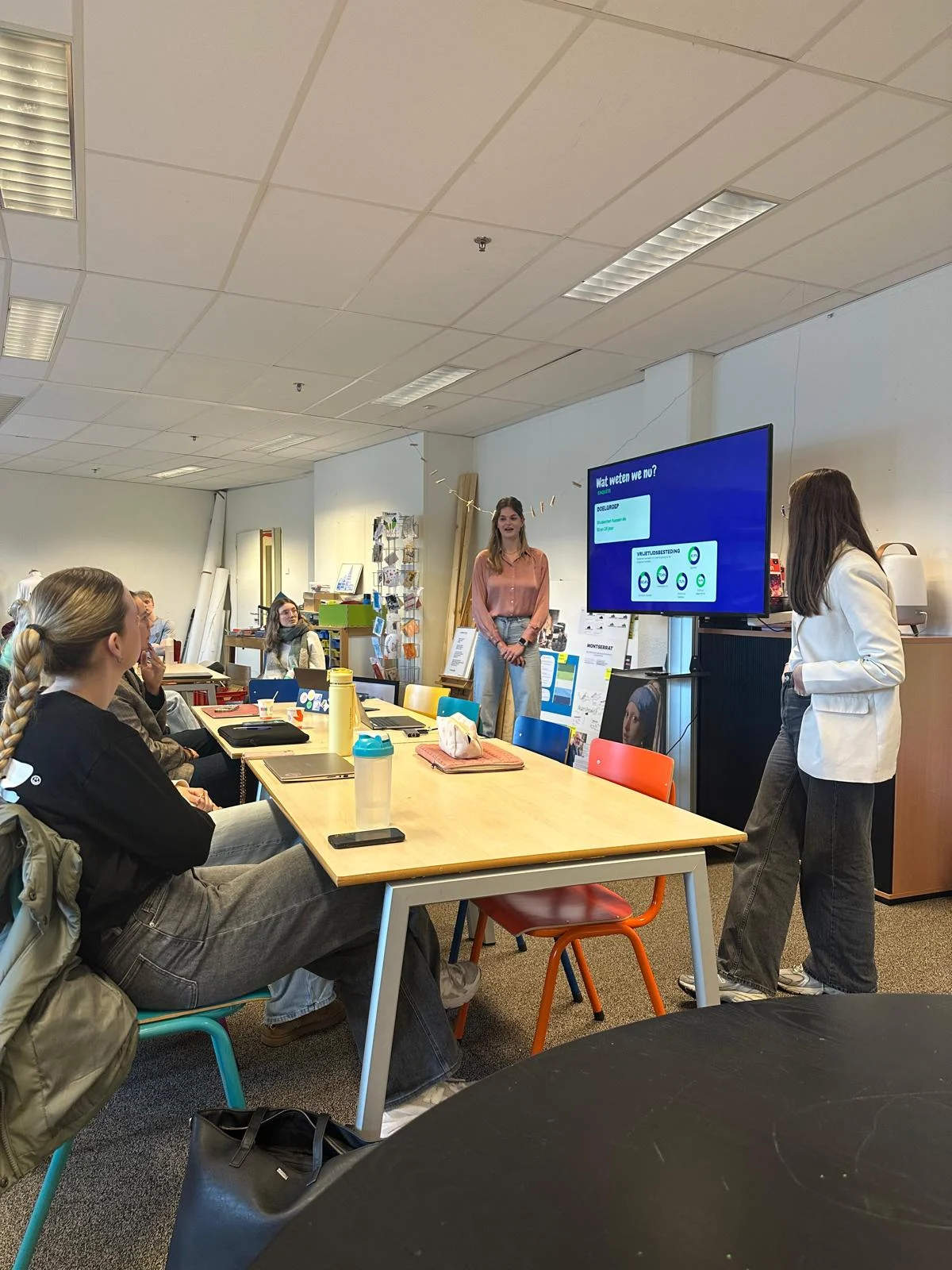
As part of the project, students develop creative campaign concepts that address these issues. Communication students begin by researching target audiences, behavior, and positioning. What motivates young people? What makes an internship or job appealing? And how can you reach them in a way that resonates with their lives?
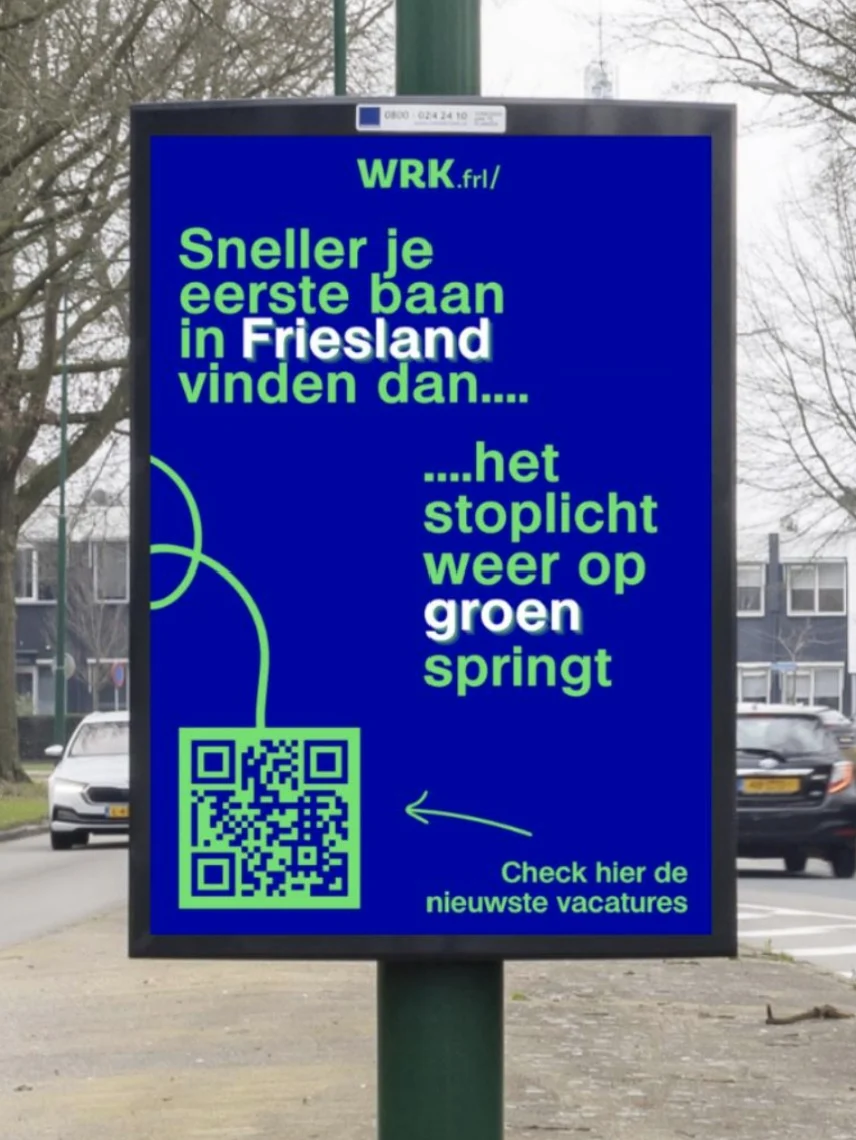
Based on these insights, they develop campaign concepts for WRK.frl.
Next, Media Design students join the project to further develop these concepts into visual designs, content, and prototypes. Throughout the process, ideas are regularly discussed with fellow students, instructors, the client, and professionals in the field. By visualizing concepts early on, a process of research, creation, testing, and refinement is set in motion.

More than just a collaboration between academic programs
This academic year marked the second edition of the project. Next year, we’ll launch a third edition. For the MICA Lab for Transition Communication, the project is interesting not only because of its themes and the campaign concepts that emerge, but also—and especially—because of the collaboration itself. In this regard, we consciously look beyond educational levels alone. Every student brings their own experiences, talents, and perspectives to the table. Some students feel at home in research and strategy, while others think immediately in terms of visuals, concepts, or user experience. These differences do not always align with the boundaries of a degree program or academic level. It is precisely there that opportunities arise to learn from one another. At the same time, the project shows that collaboration does not happen automatically. For example, students indicate that they do not want to work for one another, but with one another. That may sound like a small difference, but it directly touches on the question of how to organize co-creation. When do students feel a shared sense of ownership? How do you leverage different areas of expertise on an equal footing? And what does that require of the faculty mentors?
Research in Practice
For the MICA Lab for Transition Communication, these are valuable research questions. Each edition yields new insights into multi-level collaboration, group dynamics, and the role of facilitation. We investigate the conditions necessary for students from different programs, levels, and areas of expertise to collaborate effectively on a shared challenge. In doing so, we look not only at the final campaigns but also at the process behind them. What forms of guidance are effective? How is trust built within a team? And how do we ensure that different perspectives reinforce one another? The insights gained from this project thus contribute not only to the development of campaigns for WRK.frl but also to research on transition communication and multi-level learning within the MICA Lab for Transition Communication. Each edition brings new insights. Not because we’re looking for a single “right” approach, but because every group of students, every client, and every collaboration reveals something new.
Partners
WRK.frl • NHL Stenden Communications • Firda Media Design • MICA Lab for Transition Communication
Text written by Minke Wagenaar
